
Ruffle Details in Swimwear: How One Small Detail Changes the Entire Style
When developing a swimwear collection, creating a completely new silhouette is not always necessary.
Sometimes, one small detail can completely change how a bikini or one-piece swimsuit looks and feels.
Ruffles are a good example.
Compared with a classic clean trim, ruffles introduce movement, volume and personality. The base pattern may remain almost identical, but the final design can appeal to a completely different customer.
Ruffle vs. Classic Trim
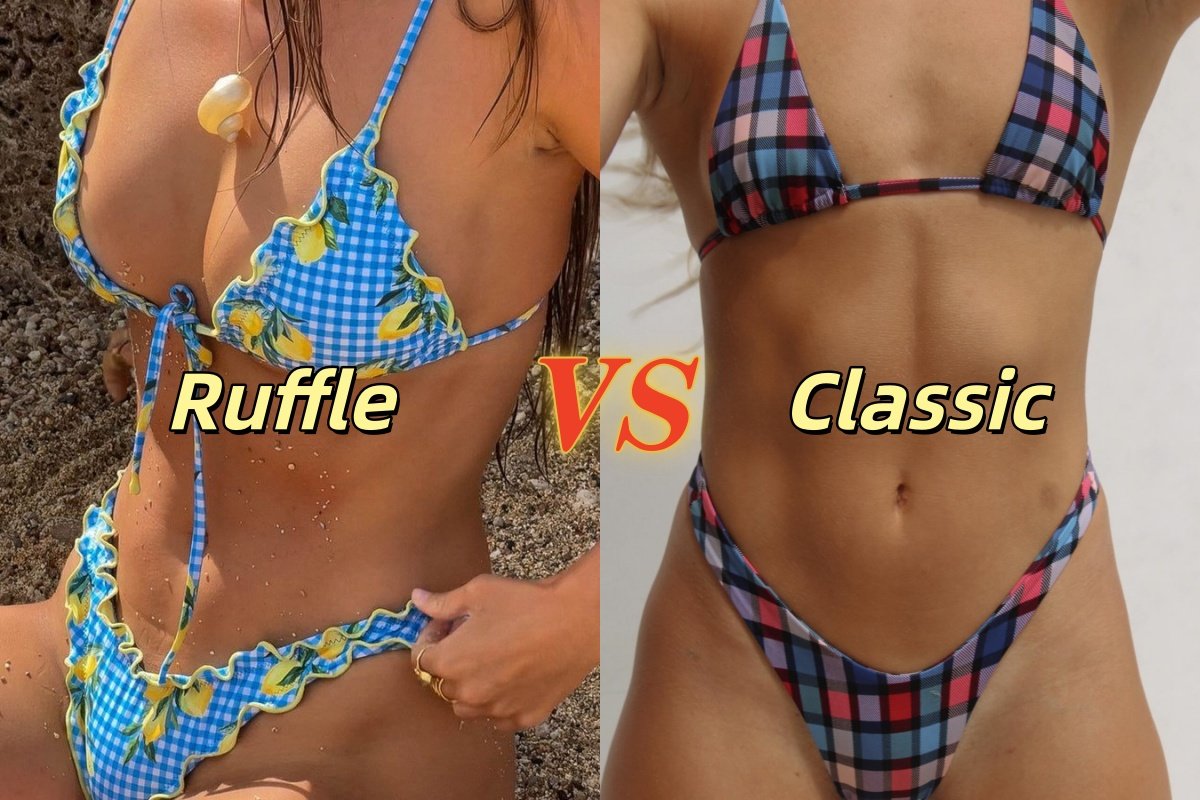
Classic trim usually follows the natural edge of the swimsuit.
It creates a clean, simple, and smooth visual effect, making the silhouette and fabric of the garment the focus of attention.
Ruffles work differently.
By adding gathered or layered fabric along an edge, they introduce additional volume and movement. This makes the design feel softer, more decorative and often more feminine.
| Ruffle Detail | Classic Trim | |
|---|---|---|
| Visual Effect | Decorative and eye-catching | Clean and subtle |
| Volume | Adds movement and dimension | Follows the body closely |
| Overall Style | Feminine, playful or romantic | Minimal, sporty or timeless |
| Design Focus | Highlights specific areas | Focuses on the silhouette |
| Personality | Stronger and more expressive | Neutral and versatile |
Neither option is better. They simply communicate different design languages.
How Ruffles Change a Bikini
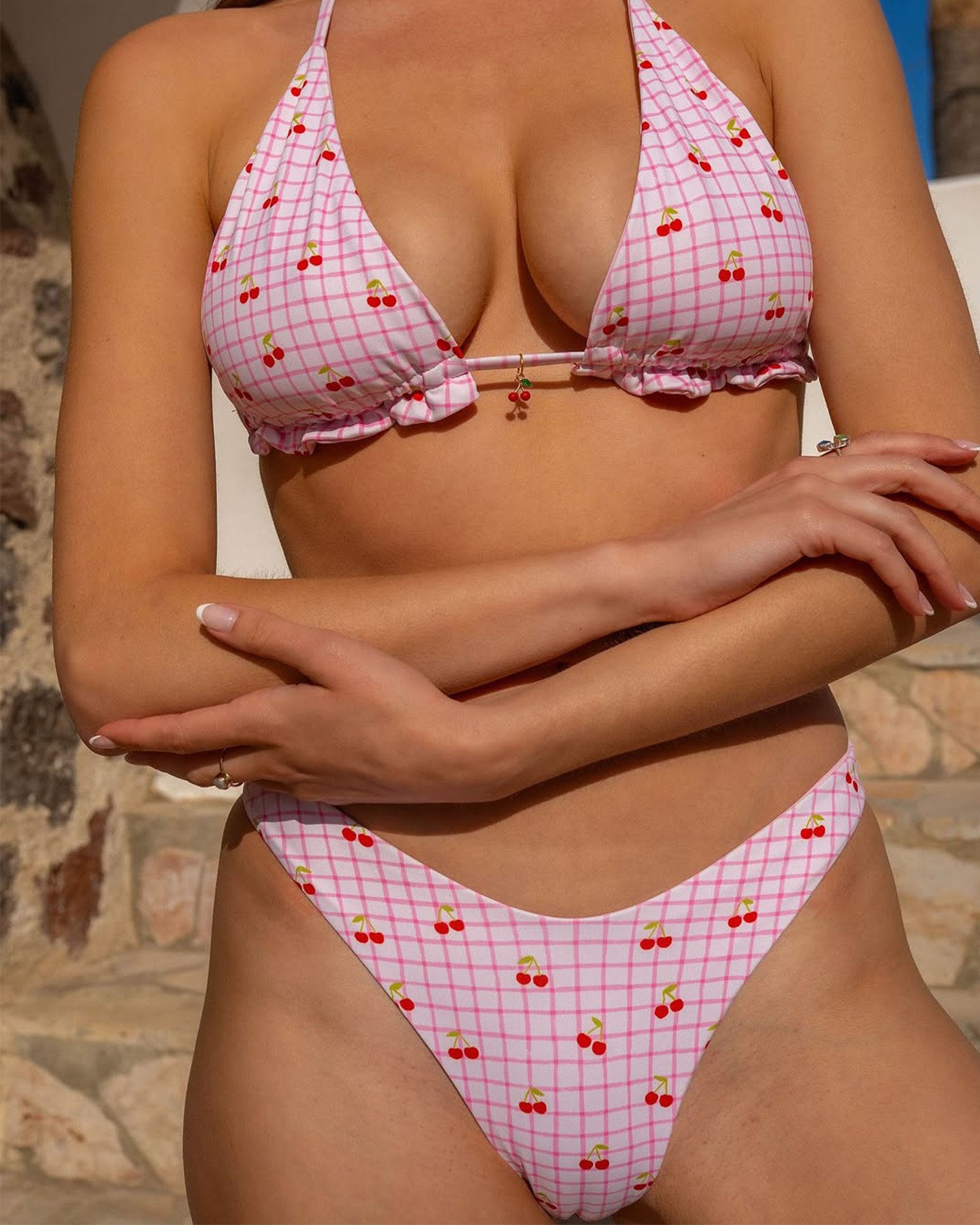
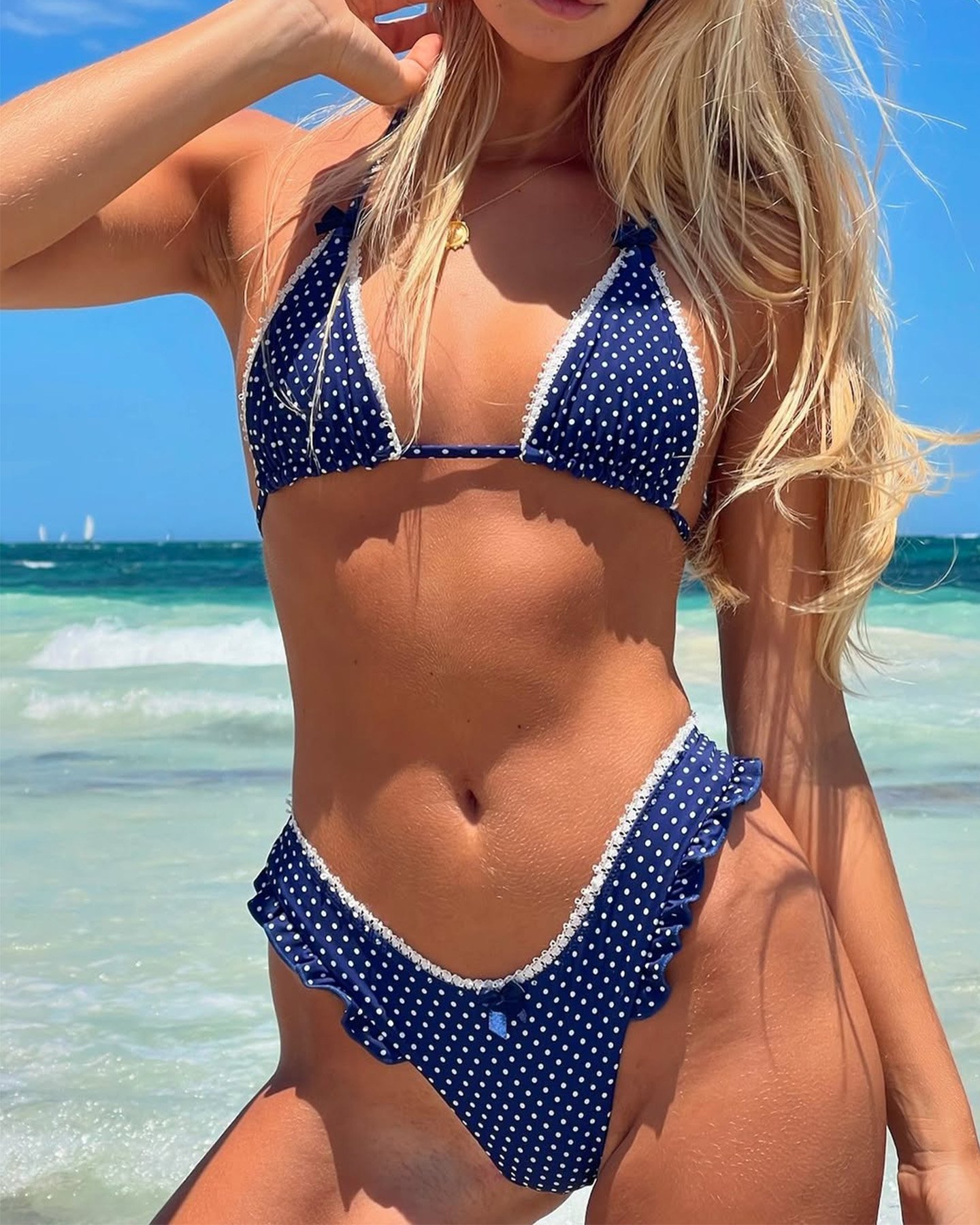

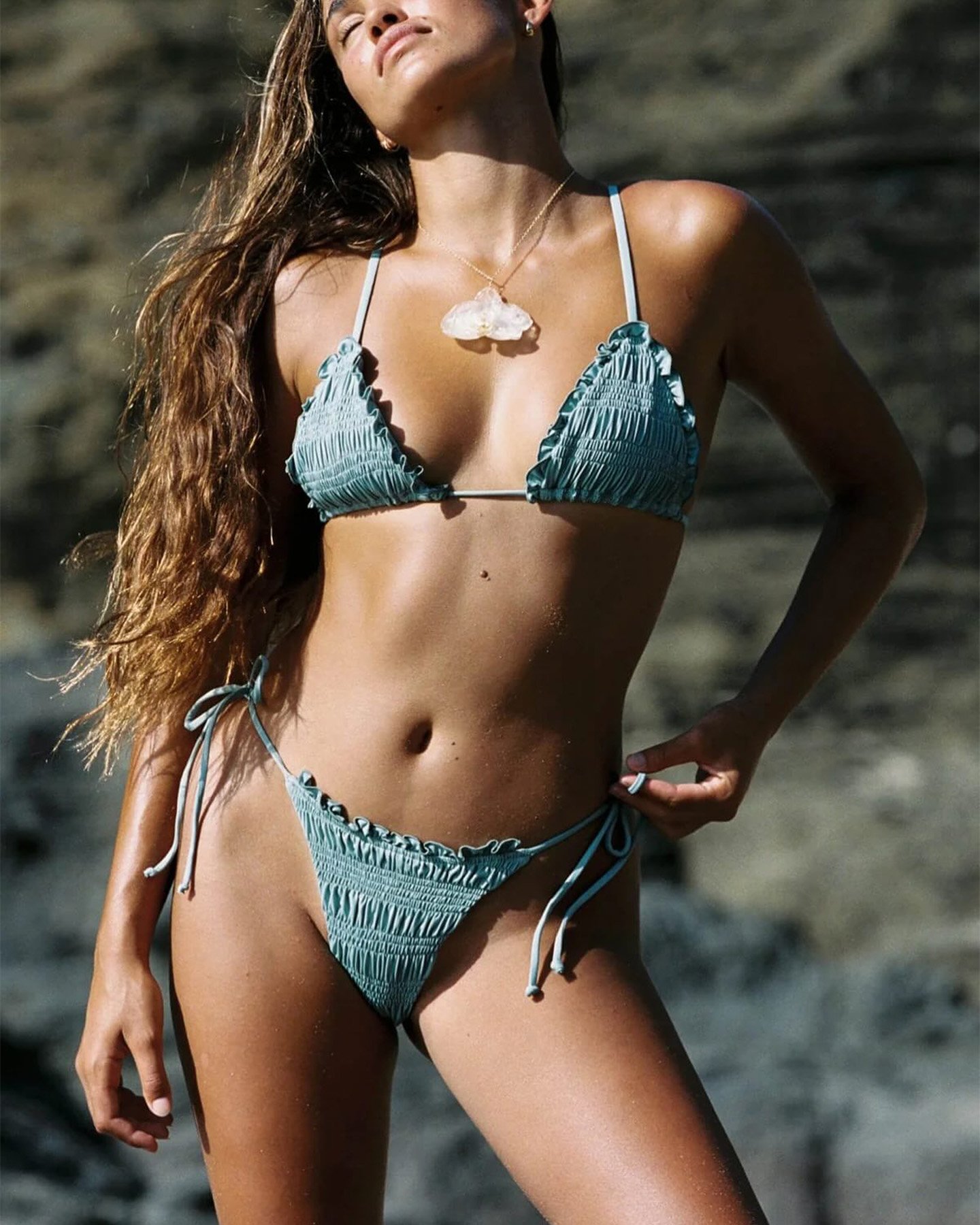
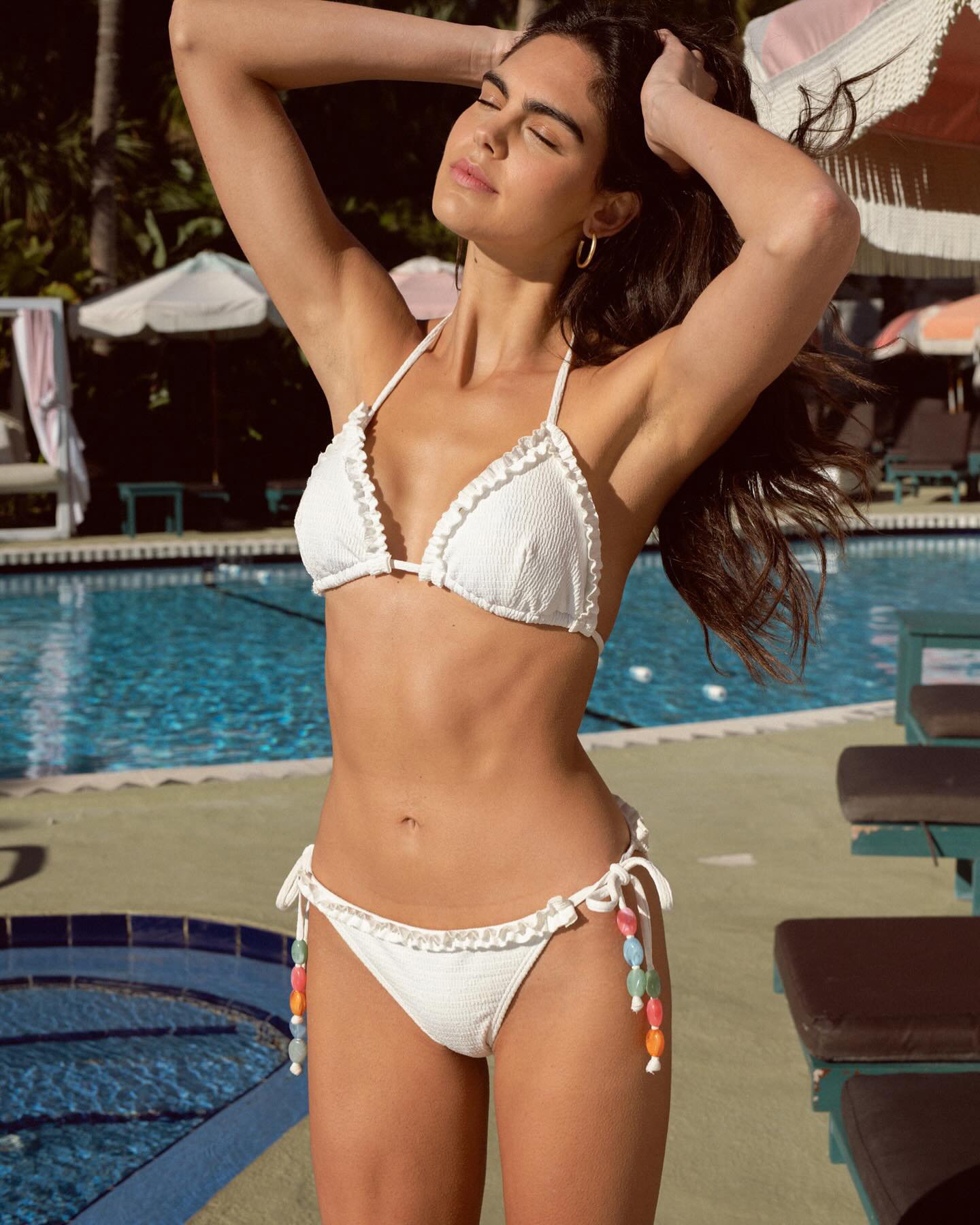
On a bikini, ruffles can completely change the personality of a familiar silhouette.
A simple triangle bikini with classic trim may feel minimal and timeless.
Add a ruffle along the neckline, and it can immediately feel more feminine and playful.
Ruffles can also be placed on:
- Bikini top necklines
- Shoulder straps
- Underbust edges
- Bikini bottom waistlines
- Side panels
Smaller ruffles can add subtle detail, while larger statement ruffles can become the main visual feature of the design.
This gives brands the flexibility to use a familiar bikini silhouette while creating something that feels more distinctive.
How Ruffles Change a One-Piece Swimsuit
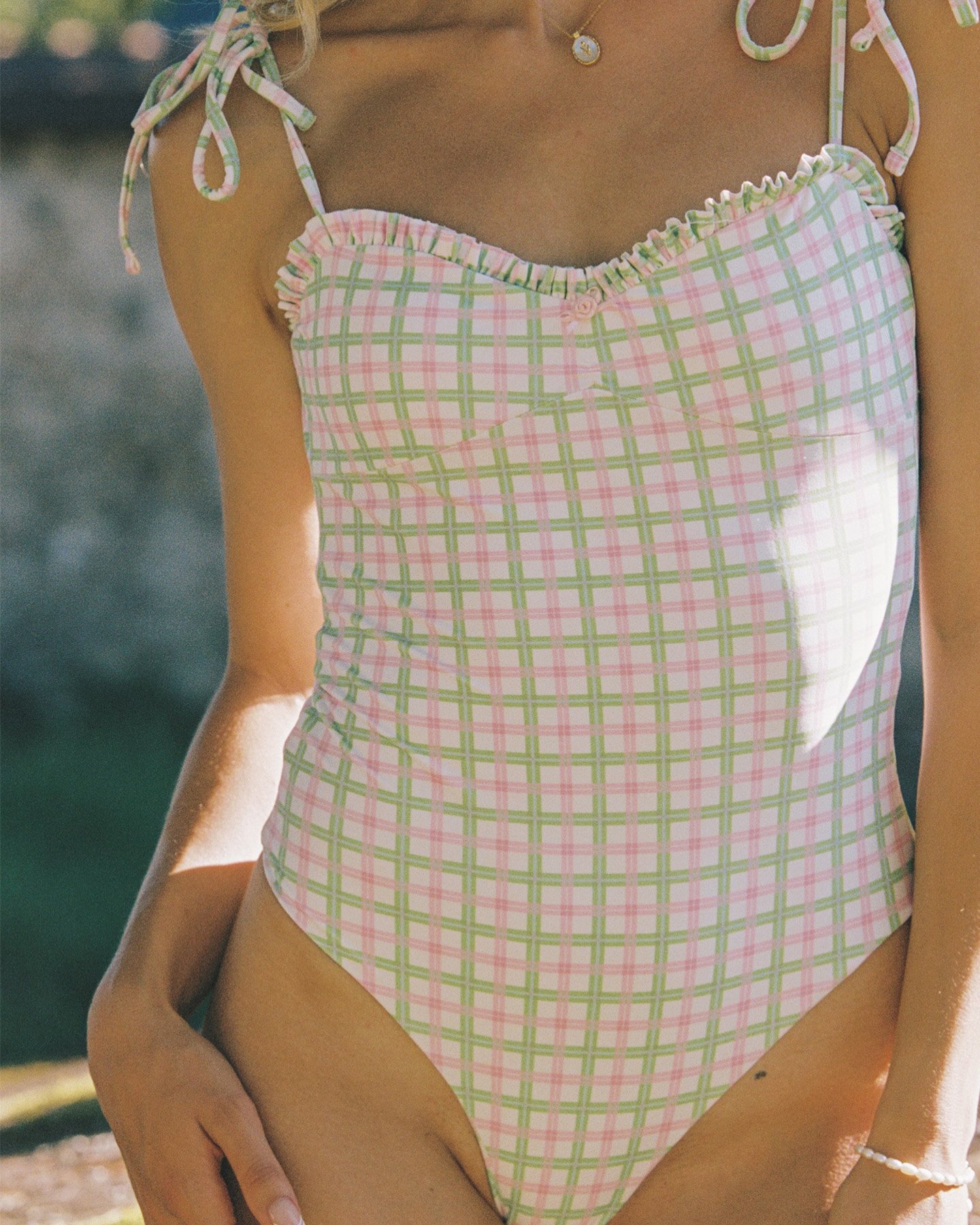
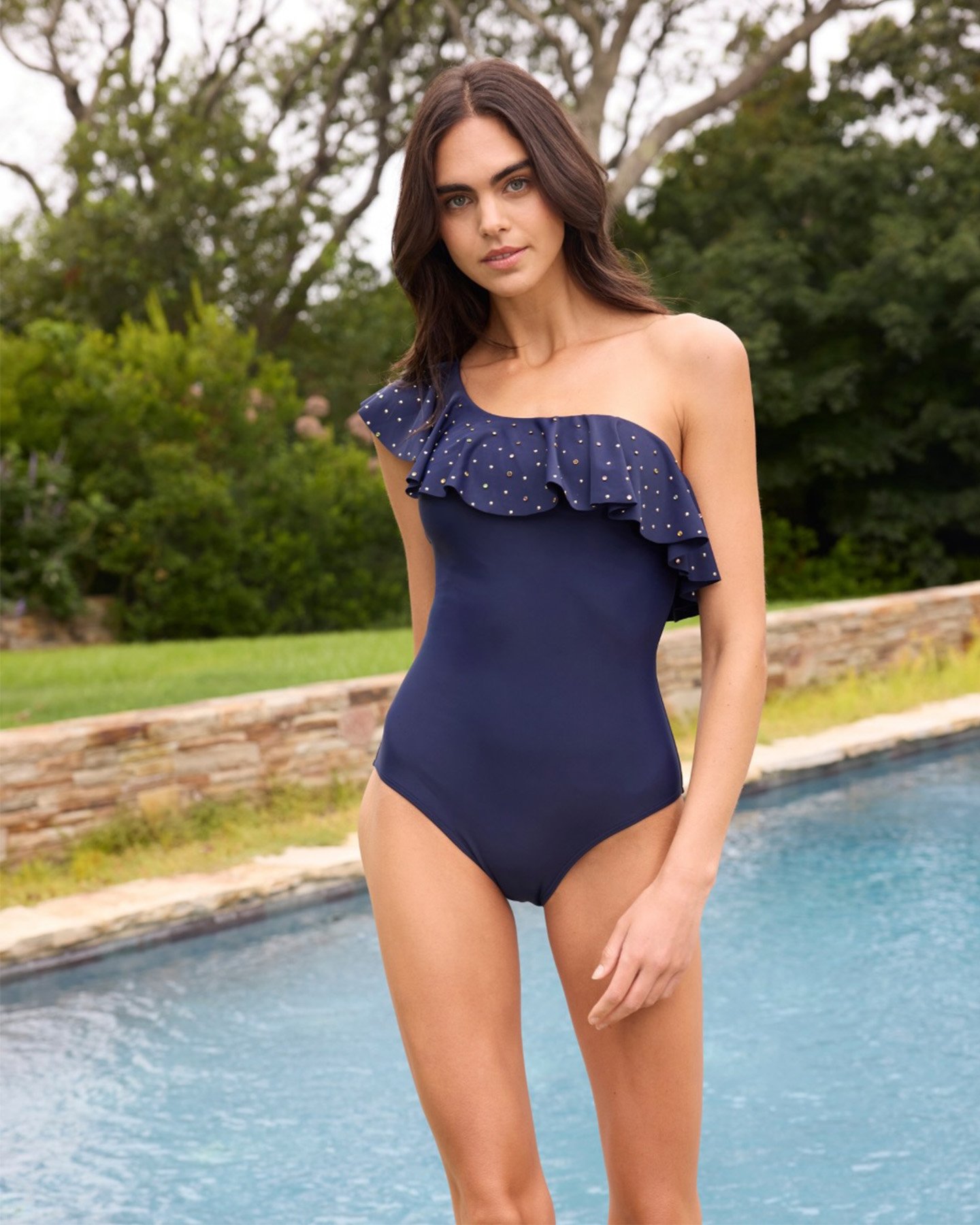
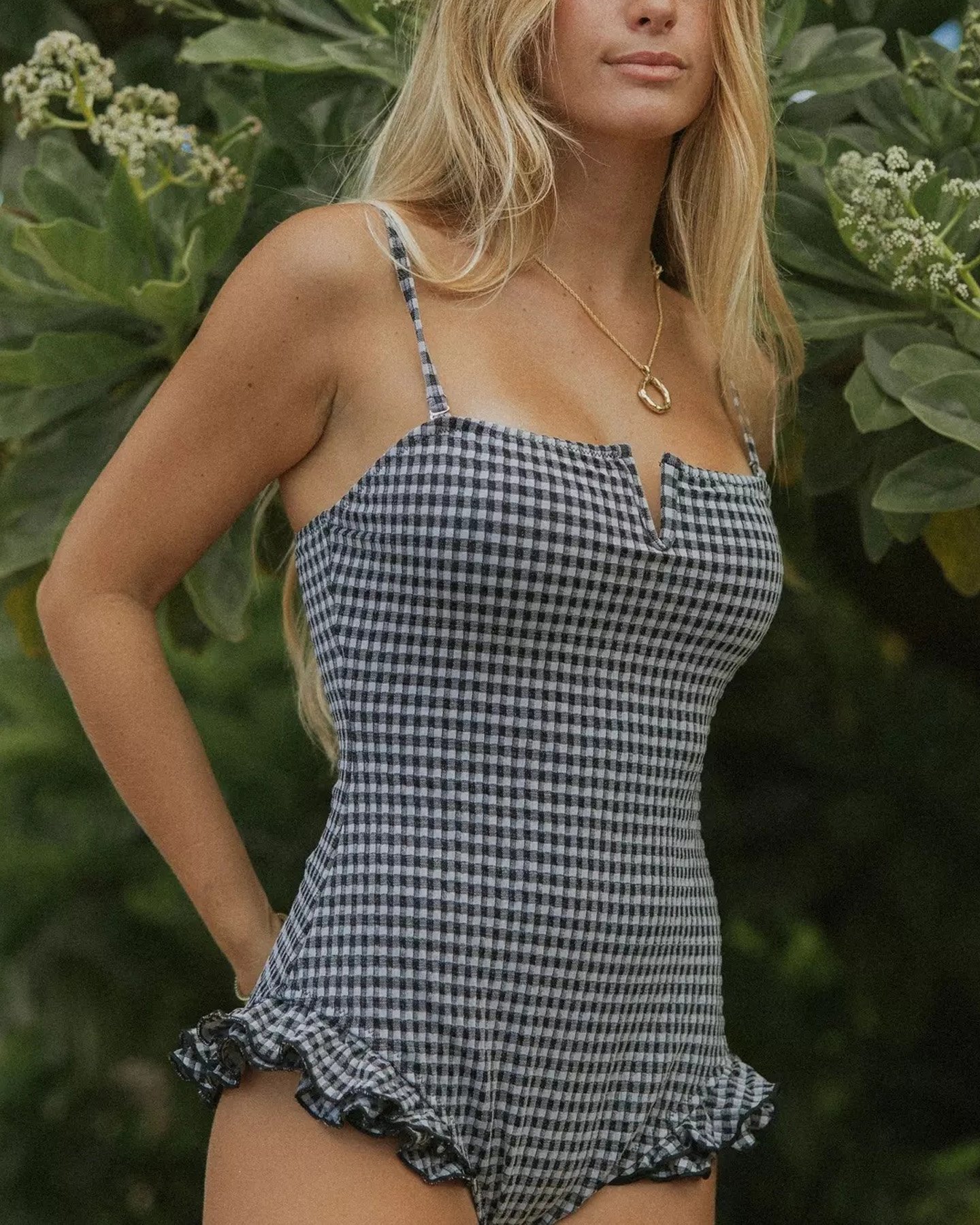

One-piece swimsuits provide even more space for ruffle placement.
A ruffle can create visual interest across the neckline, over one shoulder or around the waist.
For example:
Neckline ruffles can create a softer and more romantic appearance.
One-shoulder ruffles can make a simple one-piece feel more fashion-forward.
Asymmetrical ruffles can introduce a stronger statement and give the swimsuit a more editorial look.
The interesting part is that the original swimsuit pattern does not always need to change significantly.
The ruffle itself becomes part of the design identity.
Who Is Ruffle Swimwear For?
Ruffle details usually appeal to customers looking for more than a basic swimwear piece.
Depending on the design, ruffle swimwear can attract:
- Feminine and Romantic Consumers
Soft ruffles work well for customers who prefer delicate, feminine and romantic aesthetics.
- Younger Consumers
Playful ruffle details can make swimwear feel more youthful and expressive.
- Resort and Vacation Shoppers
Statement ruffles work particularly well in resortwear-inspired collections where customers are looking for swimwear that can also function as part of a holiday outfit.
- Fashion-Conscious Consumers
Asymmetrical or oversized ruffles can appeal to customers looking for more unique and fashion-driven swimwear.
Of course, the target customer depends on how the ruffle is designed.
A small, subtle ruffle and an oversized architectural ruffle can attract completely different audiences.
Different Ruffles Create Different Brand Personalities
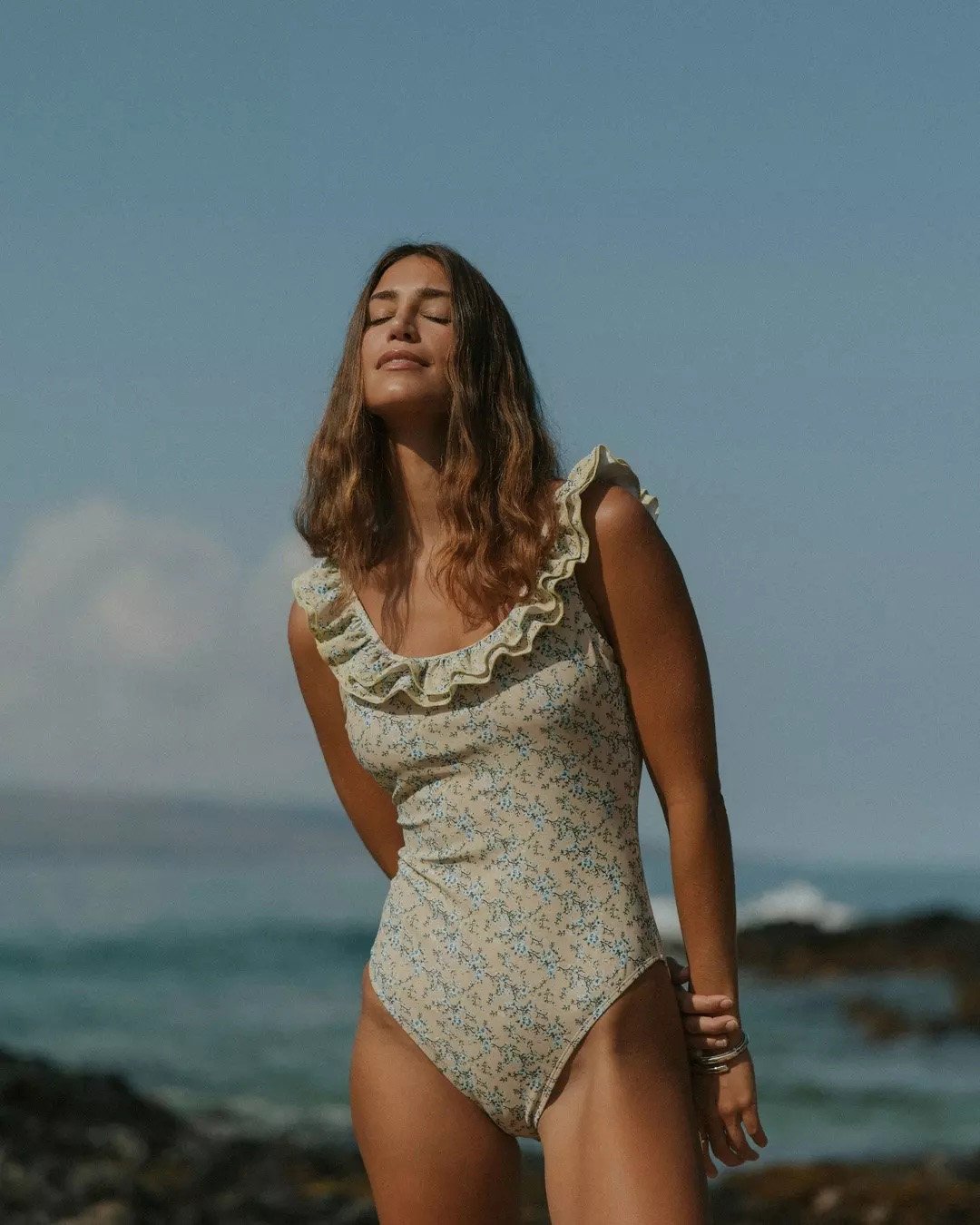
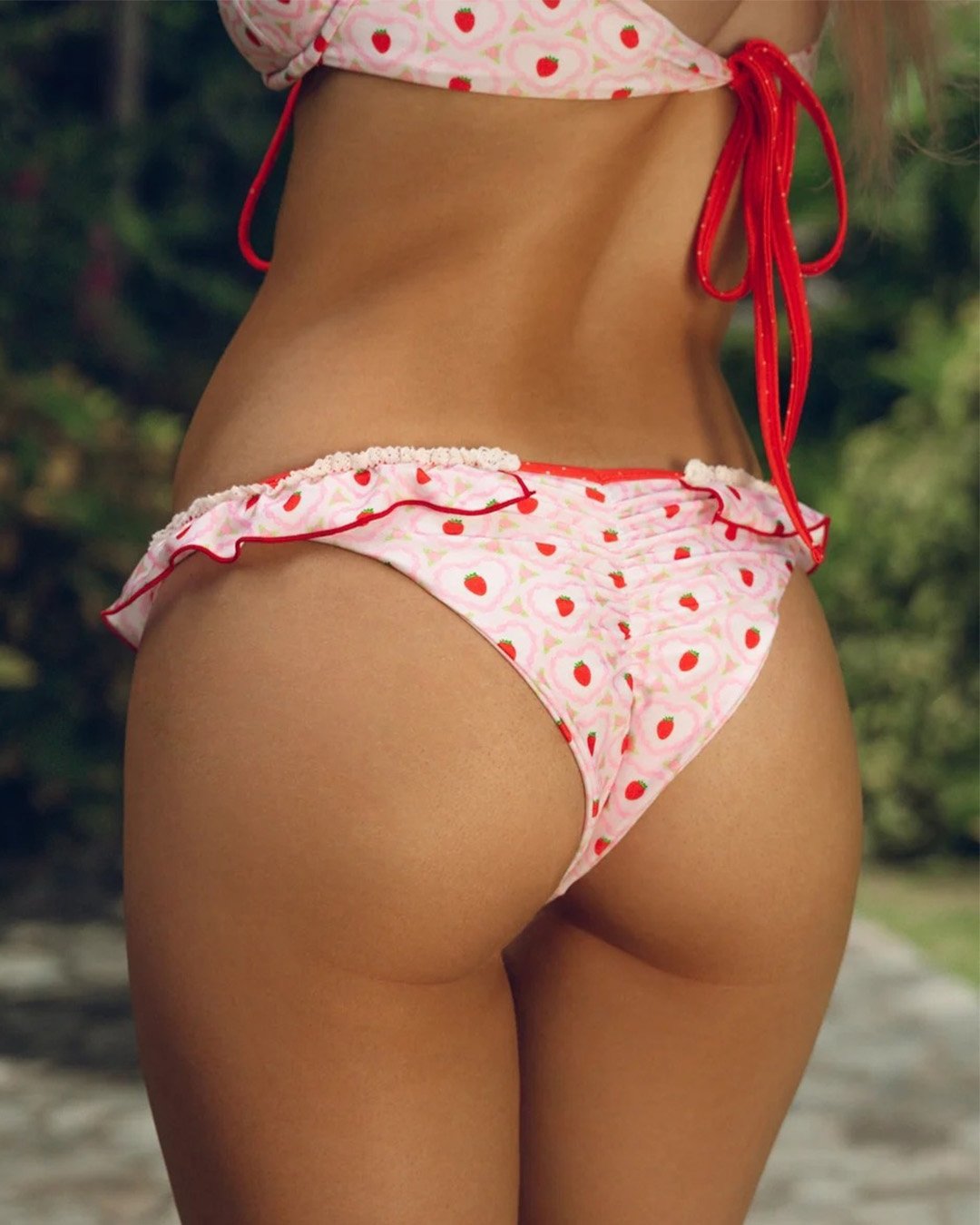

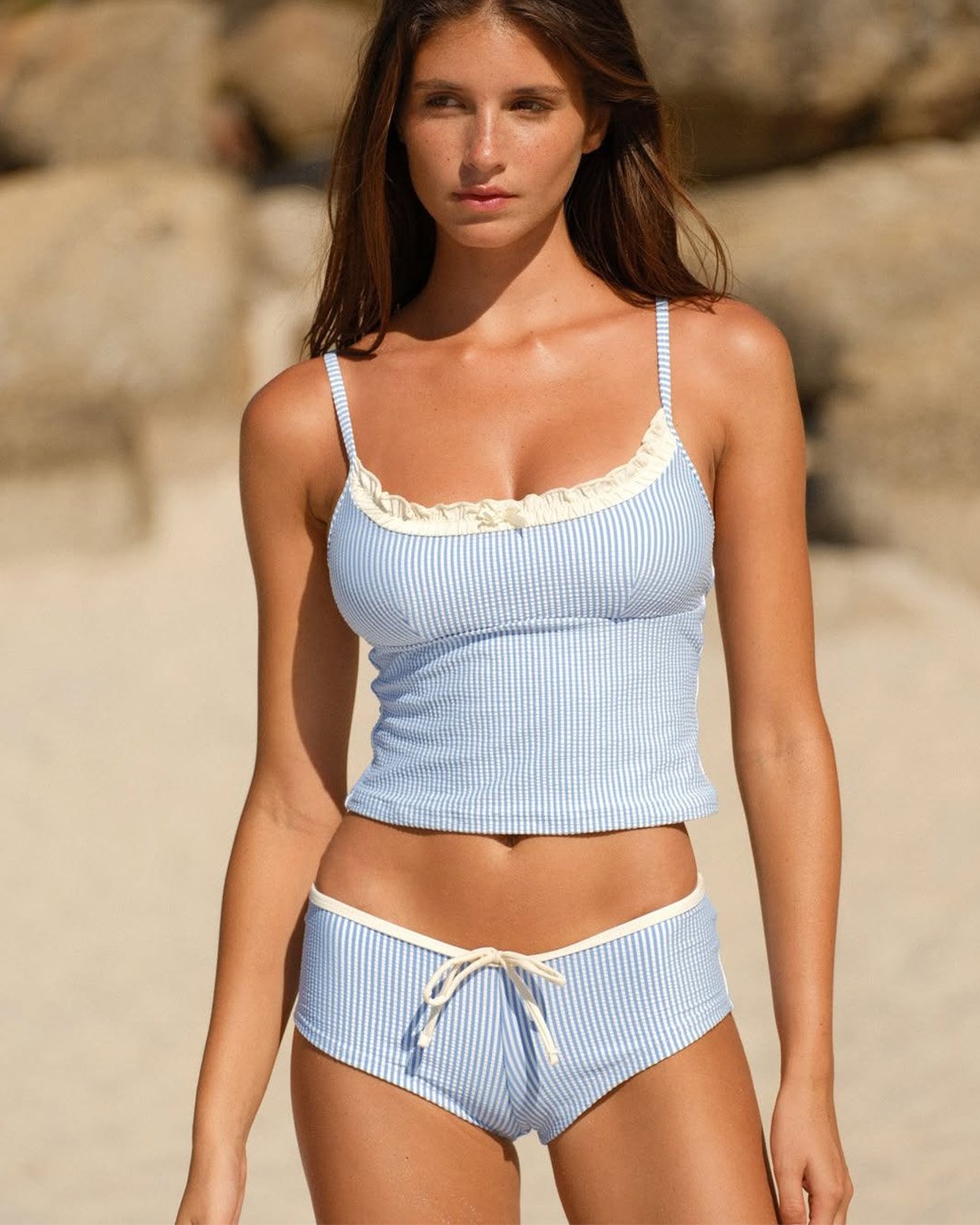
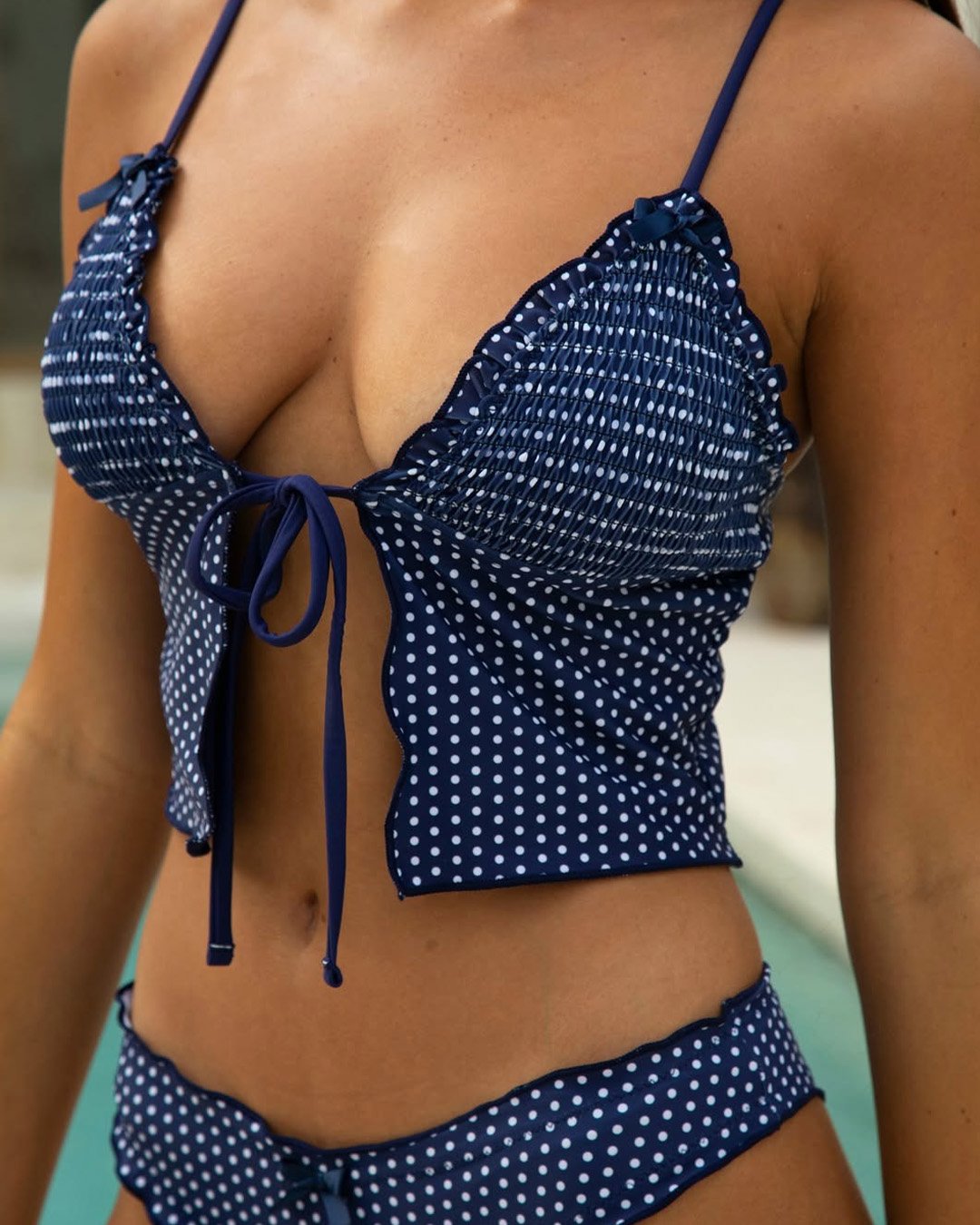
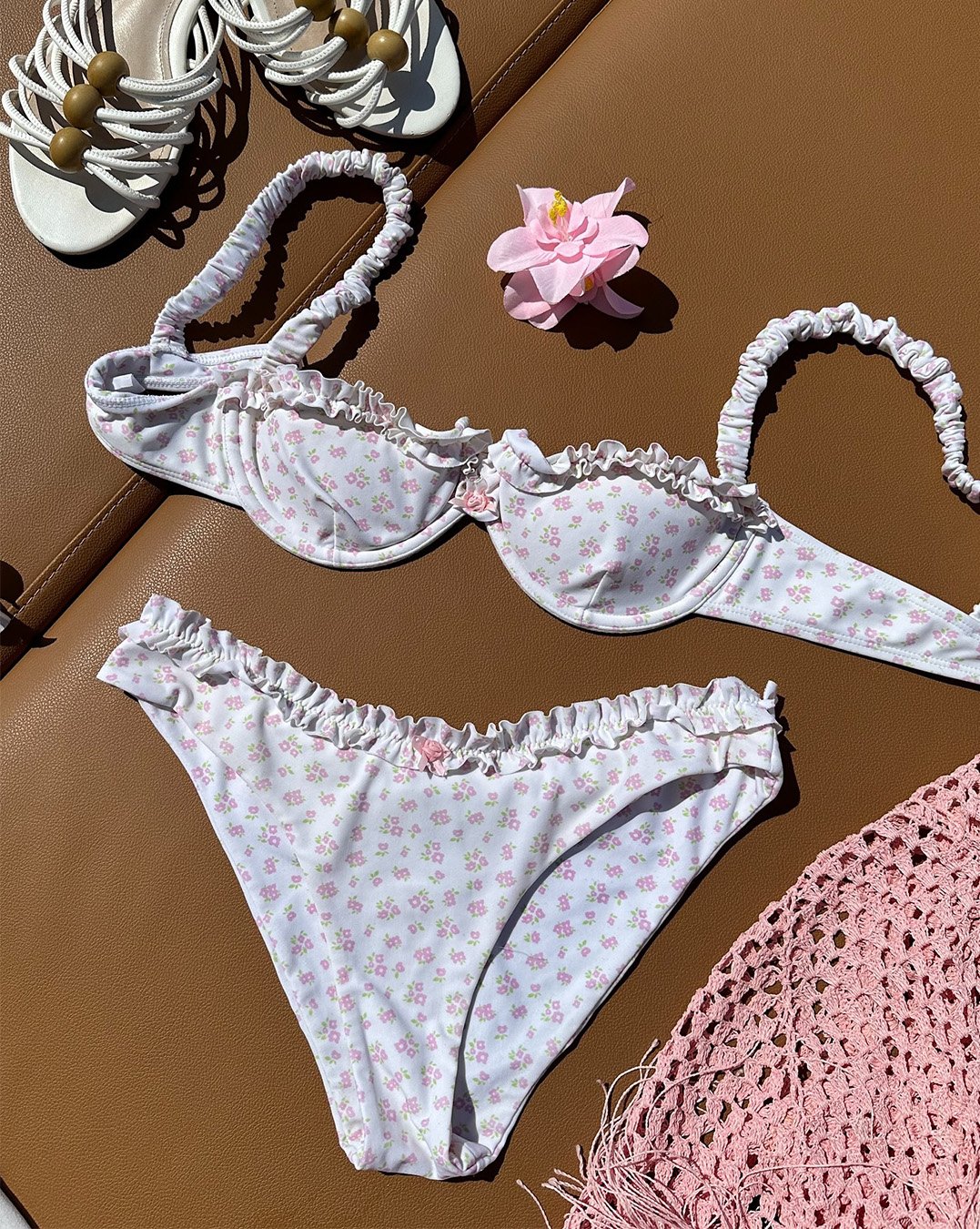
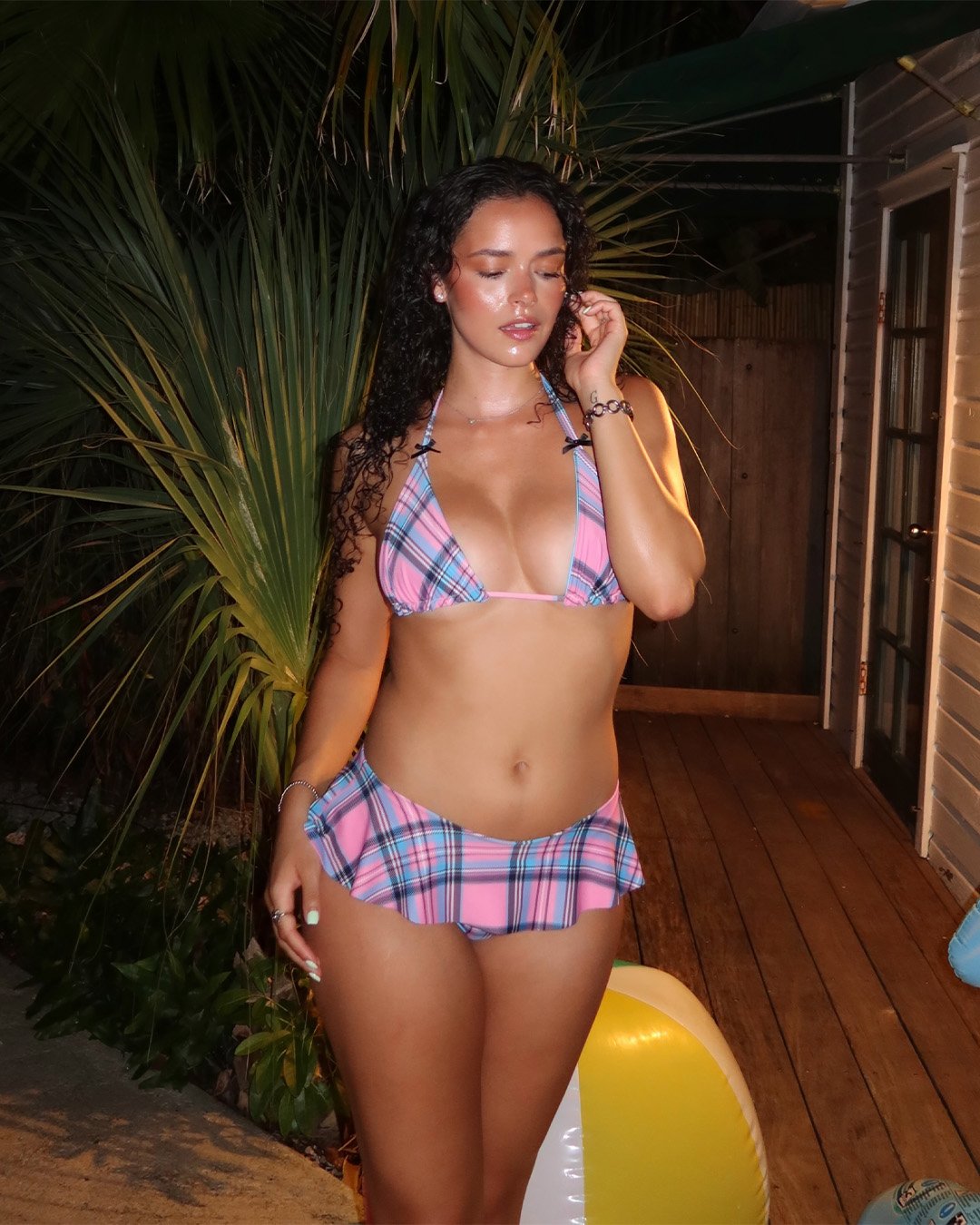
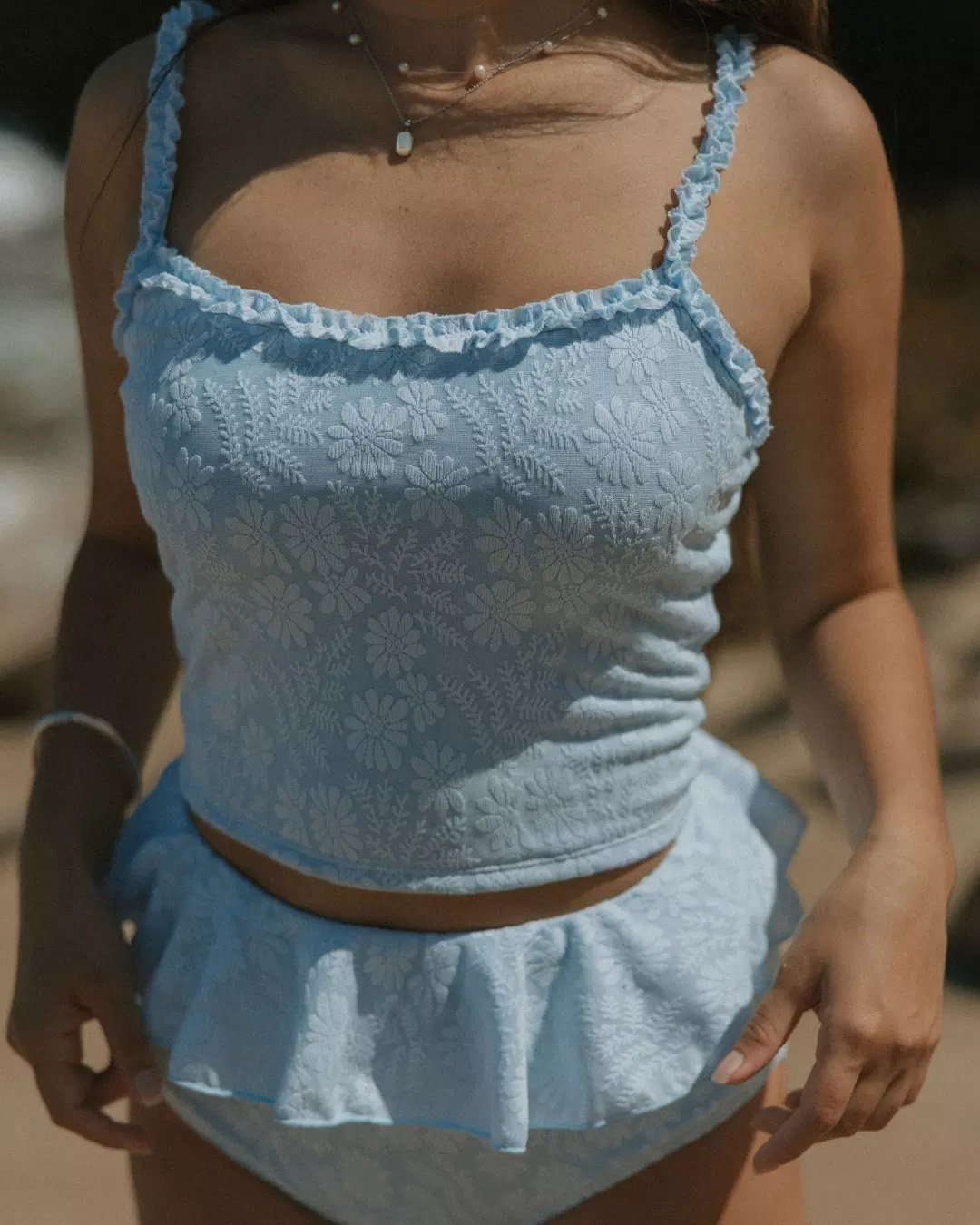
This is where ruffles become particularly interesting for emerging swimwear brands.
- Small Ruffles
Small ruffles feel subtle, feminine and easy to wear.
They may work well for brands targeting customers who want a touch of detail without wearing something overly decorative.
- Large Statement Ruffles
Oversized ruffles create a stronger visual identity.
They are more suitable for fashion-focused or resortwear-inspired brands that want their products to stand out in photography and social media.
- Soft and Flowing Ruffles
These often create a romantic, effortless and vacation-inspired feeling.
They can work well for brands with a feminine, coastal or resort-focused identity.
- Structured Ruffles
More structured ruffles can create a modern and editorial look.
This direction may suit brands targeting fashion-conscious customers rather than traditional swimwear buyers.
Is Ruffle Swimwear Right for a Startup Brand?
For emerging swimwear brands, ruffles can be a useful design strategy.
Instead of developing many completely different patterns, a startup can use a few strong base silhouettes and create different visual directions through details.
For example, one triangle bikini pattern could be developed into:
- A classic minimal version
- A small ruffle version
- A statement ruffle version
- An asymmetrical ruffle version
This allows a collection to feel more diverse without completely rebuilding every style from the beginning.
However, ruffles should also match the brand positioning.
Ruffle details may work particularly well for startup brands positioned around:
- Feminine swimwear
- Romantic aesthetics
- Resortwear
- Vacation lifestyles
- Playful and youthful fashion
- Fashion-forward statement swimwear
They may be less suitable for brands focused entirely on:
- Professional performance swimwear
- Highly minimalist aesthetics
- Technical sportswear
- Compression-focused swimwear
Final Thoughts
Ruffles may seem like a small decorative detail, but they can significantly influence how swimwear is perceived.
The same bikini or one-piece can look clean and timeless with a classic trim, or feminine and expressive with the addition of a ruffle.
For startup swimwear brands, this creates an interesting opportunity.
Product differentiation does not always require an entirely new silhouette.
Sometimes, one carefully designed detail can change the style, customer appeal and personality of an entire collection.
And ruffles are one of the simplest examples of how a small detail can make a big design difference.
- Frequently Asked Questions -
1. Are ruffles suitable for all types of swimwear?
Ruffles can be used on both bikinis and one-piece swimsuits. However, the final effect depends on the placement, size and construction of the ruffle. Smaller ruffles can add subtle feminine details, while oversized ruffles create a stronger fashion statement.
2. Where can ruffles be added to swimwear?
Ruffles can be added to necklines, shoulder straps, bikini bottoms, waistlines, leg openings and asymmetrical design lines. Different placements can create very different visual effects.
3. Are ruffle swimsuits suitable for minimalist brands?
It depends on the design. Small and subtle ruffles may work with a soft minimalist aesthetic. However, large or layered ruffles are generally more suitable for brands with feminine, romantic, resortwear or statement-fashion positioning.
4. Are ruffles a good choice for startup swimwear brands?
Yes, especially for brands looking to create visual differentiation without developing completely new silhouettes. A startup can use one base pattern and explore different ruffle placements or sizes to create multiple design variations.
5. Can the same swimsuit design work with and without ruffles?
Absolutely. This is one of the advantages of using ruffles as a design detail. The same base bikini or one-piece pattern can create very different visual personalities simply by adding or removing ruffle details.
2 Responses